
Buying when you are self-employed
The short version
Lenders treat you as self-employed if you own 25% or more of a business. You have two main paths:
- Tax-return loans (conventional, FHA, VA, USDA). Income comes from your tax returns, usually averaged over two years. Lenders start with your taxable profit and add back some non-cash write-offs, such as depreciation.
- Bank statement loans (non-QM). Income comes from 12 or 24 months of deposits, less an allowance for business expenses. Tax returns are usually not needed, but you should expect a higher rate and a larger down payment.
The main trade-off is that write-offs that lower your taxes also lower the income a lender can count. If your returns show steady, healthy profit, a tax-return loan usually costs less. If write-offs obscure what the business actually earns, a bank statement loan can fit.
Many incomes in Southwest Colorado are seasonal or self-employed: contractors, ranchers, guides and businesses tied to tourism. Seasonal and farm income can count when your returns show a steady history. Lenders look at the full year, so a strong summer and a quiet winter are acceptable when the pattern holds.
Go deeper
How lenders figure tax-return income
Most lenders want two years of self-employment. One year can work if your latest returns show a full year from the current business and you earned as much or more before in the same line of work.
The calculation starts from net profit, then adds back costs that are not cash out of pocket: depreciation, depletion, business use of your home, amortization and casualty losses. One-time income is removed. The two years are usually averaged.
Rising income helps. If income dropped, the lender looks more closely and may use the lower, more recent figure, or may not count it if the business does not appear stable.
Partnerships and S corporations
If you own part of a partnership, LLC or S corporation, your share of profit shows on a K-1. Lenders count it only if you actually took the money out, or if the business has enough cash on hand to let you. Wages the business pays you count separately, like any paycheck.
Business returns are often needed too. Fannie Mae can waive them when the business has existed at least five years, your personal returns show rising self-employment income over the past two years, and you are using your own money for the down payment and costs.
Bank statement loans
These are non-QM loans. They fall outside Fannie Mae, Freddie Mac, FHA, VA and USDA, so each lender sets its own rules. A common setup includes:
- 12 or 24 months of personal or business bank statements.
- An expense factor applied to business deposits, or a letter from your CPA or tax preparer stating your actual expenses.
- Larger down payments and reserves than agency loans, and higher rates.
For a home you will live in, they still follow federal ability-to-repay rules. Your income is still verified, from deposits instead of tax returns. Some lenders also offer profit-and-loss, 1099-only or asset-based versions.
Plan before you file
If you plan to buy in the next year or two, talk with us and your tax preparer before you file. A large write-off can save you tax and reduce your buying power. Lenders confirm returns with IRS transcripts, so amended or late returns take extra time.
It also helps to keep business and personal money in separate accounts and to have a year-to-date profit and loss statement ready.
See it with your numbers
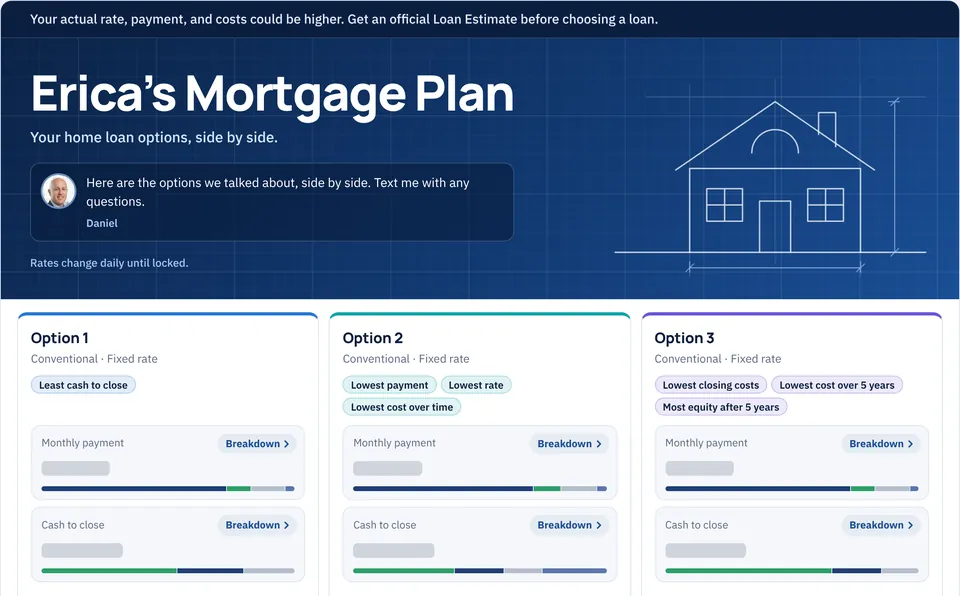
Your Mortgage Plan shows your qualifying ratios with the income a lender can count from your tax returns, for each conventional, FHA, VA or USDA option.
Back in your Mortgage Plan, see this with your own numbers.
Your next step
Stage 3: Shopping smartGetting pre-approvedA mortgage pre-approval means a lender has checked your credit, income and assets. It backs your offer, but it is not a loan commitment.Read the lessonOr go another way: I also own or want to buy rentals
Previous lesson: Down payment assistance: what it really costs